
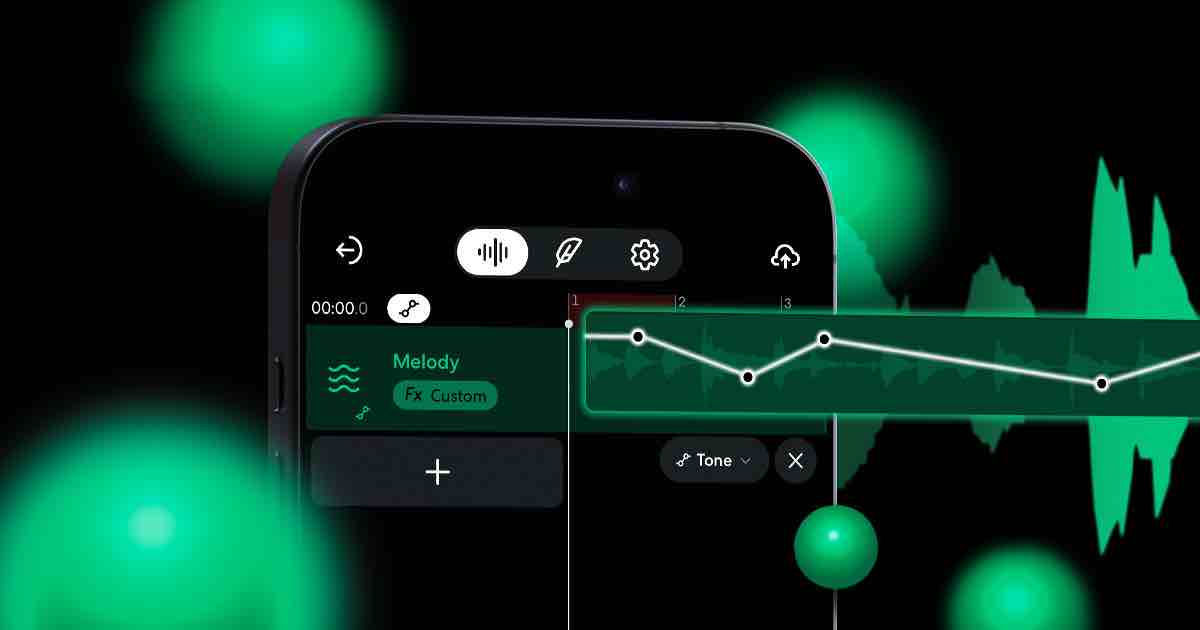
750K+ User Reviews Reveal the Truth About This App
BandLab: Music Maker & Studio
BandLab has emerged as one of the most accessible and feature-rich free music production platforms available today. Launched in 2015, this cloud-based Digital Audio Workstation (DAW) has democratized music creation by offering professional-grade tools without the hefty price tag typically associated with music production software. With over 60 million users worldwide, BandLab has carved out a significant niche in the music creation landscape, particularly among emerging artists, hobbyists, and educators.
What is BandLab?
BandLab is a comprehensive music creation ecosystem that operates entirely in the cloud. Unlike traditional desktop DAWs that require powerful hardware and significant storage space, BandLab runs through web browsers and mobile applications, making music production accessible from virtually any device with an internet connection. The platform combines a full-featured DAW with social networking elements, creating a unique environment where musicians can create, collaborate, and share their work seamlessly.
The platform offers unlimited cloud storage for projects, real-time collaboration features, and an extensive library of loops, samples, and virtual instruments. Users can record audio directly through their device's microphone, import existing audio files, or build tracks entirely using the platform's built-in tools and sounds.
Key Features and Capabilities
BandLab's feature set rivals many paid DAWs while maintaining an intuitive interface that doesn't overwhelm newcomers. The platform includes multi-track recording capabilities supporting up to 16 tracks, MIDI support for connecting external instruments, and a comprehensive mixer with EQ, compression, and various audio effects. The built-in virtual instruments span multiple categories including synthesizers, drum machines, bass guitars, and acoustic instruments.
One of BandLab's standout features is its collaboration system. Multiple users can work on the same project simultaneously, with changes synchronized in real-time. This makes it invaluable for remote collaborations, music education, and band projects where members are geographically separated. The platform also includes version control, allowing users to revert to previous iterations of their projects.
The social aspect of BandLab sets it apart from traditional DAWs. Users can publish their creations to the BandLab community, receive feedback, and discover new music. The platform includes features like following other artists, creating playlists, and engaging with content through comments and likes, essentially functioning as a social media platform specifically designed for musicians.
Pros:
- The most significant advantage of BandLab is its price point – it's completely free with no subscription fees, usage limits, or hidden costs. This accessibility has opened music production to countless individuals who couldn't afford expensive software or hardware setups. The cloud-based nature eliminates the need for powerful computers or complex installations, making it possible to create music on laptops, tablets, or even smartphones.
- The collaboration features are exceptionally well-implemented, offering seamless real-time editing that surpasses many paid alternatives. The automatic saving and version history provide peace of mind, while the cross-platform compatibility ensures projects remain accessible regardless of the device being used.
- BandLab's learning curve is relatively gentle, with an interface designed to be intuitive for beginners while still offering depth for more experienced users. The platform includes tutorials, community forums, and extensive help documentation. The social features create opportunities for networking, learning from other musicians, and gaining exposure for original compositions.
- The sound library is impressive for a free platform, with thousands of high-quality loops and samples across multiple genres. Regular updates continue to expand this library, and the virtual instruments are surprisingly capable, offering realistic sounds and extensive customization options.
Cons:
- Despite its strengths, BandLab has several limitations that may frustrate more advanced users. The 16-track limit, while sufficient for many projects, can feel restrictive for complex compositions. The platform lacks some advanced features found in professional DAWs, such as sophisticated audio editing tools, advanced automation capabilities, and support for third-party plugins.
- Being entirely cloud-based creates dependency on internet connectivity. Poor connections can result in laggy performance, sync issues, or inability to access projects altogether. This also raises concerns about data ownership and long-term accessibility of projects should the service experience outages or policy changes.
- The mobile app, while functional, doesn't offer the same level of control and precision as the desktop version. Audio quality is limited to 16-bit/44.1kHz, which, while adequate for most purposes, falls short of professional standards that often require higher bit depths and sample rates.
- Some users report occasional bugs and performance issues, particularly when working with larger projects or using intensive effects. The social features, while innovative, may be distracting for users who prefer to focus solely on creation without community interaction.
Better Alternatives
For users seeking more advanced capabilities, several alternatives offer different trade-offs between features, cost, and accessibility:
Reaper stands out as an excellent paid alternative, offering professional-grade features at a fraction of the cost of industry-standard DAWs. Its extensive customization options, plugin support, and advanced editing capabilities make it ideal for serious producers willing to invest time in learning a more complex system.
Logic Pro (Mac only) provides a comprehensive professional suite with exceptional virtual instruments, effects, and seamless hardware integration. While more expensive, it offers the full depth expected from a professional DAW.
FL Studio offers a unique workflow with lifetime free updates and strong loop-based composition tools, making it popular among electronic music producers. Its one-time purchase model provides long-term value.
For those preferring free alternatives, GarageBand (Mac/iOS) offers similar accessibility to BandLab with better integration into Apple's ecosystem, while Audacity provides excellent audio editing capabilities, though it lacks the comprehensive production features of full DAWs.
LMMS represents a completely open-source alternative that's free and feature-rich, though it requires more technical knowledge and lacks BandLab's collaborative features.
Conclusion
BandLab represents a remarkable achievement in democratizing music production, offering genuine value through its combination of accessibility, collaboration features, and comprehensive tools. While it may not satisfy the needs of professional producers requiring advanced features and maximum audio quality, it excels as an entry point into music creation and a platform for collaborative projects.
The platform's greatest strength lies in removing barriers to music creation, enabling anyone with a creative vision to begin producing music immediately without financial investment or technical expertise. For educators, hobbyists, and emerging artists, BandLab provides an excellent foundation that can grow with users' developing skills.
Ultimately, BandLab succeeds in its mission of making music creation accessible to everyone, and while power users may eventually outgrow its limitations, it remains an invaluable resource for fostering creativity and musical expression across a global community.